
Beyond the Birth: 3 Surprising Ways Osteopathy Supports Both Mum and Baby’s Healing
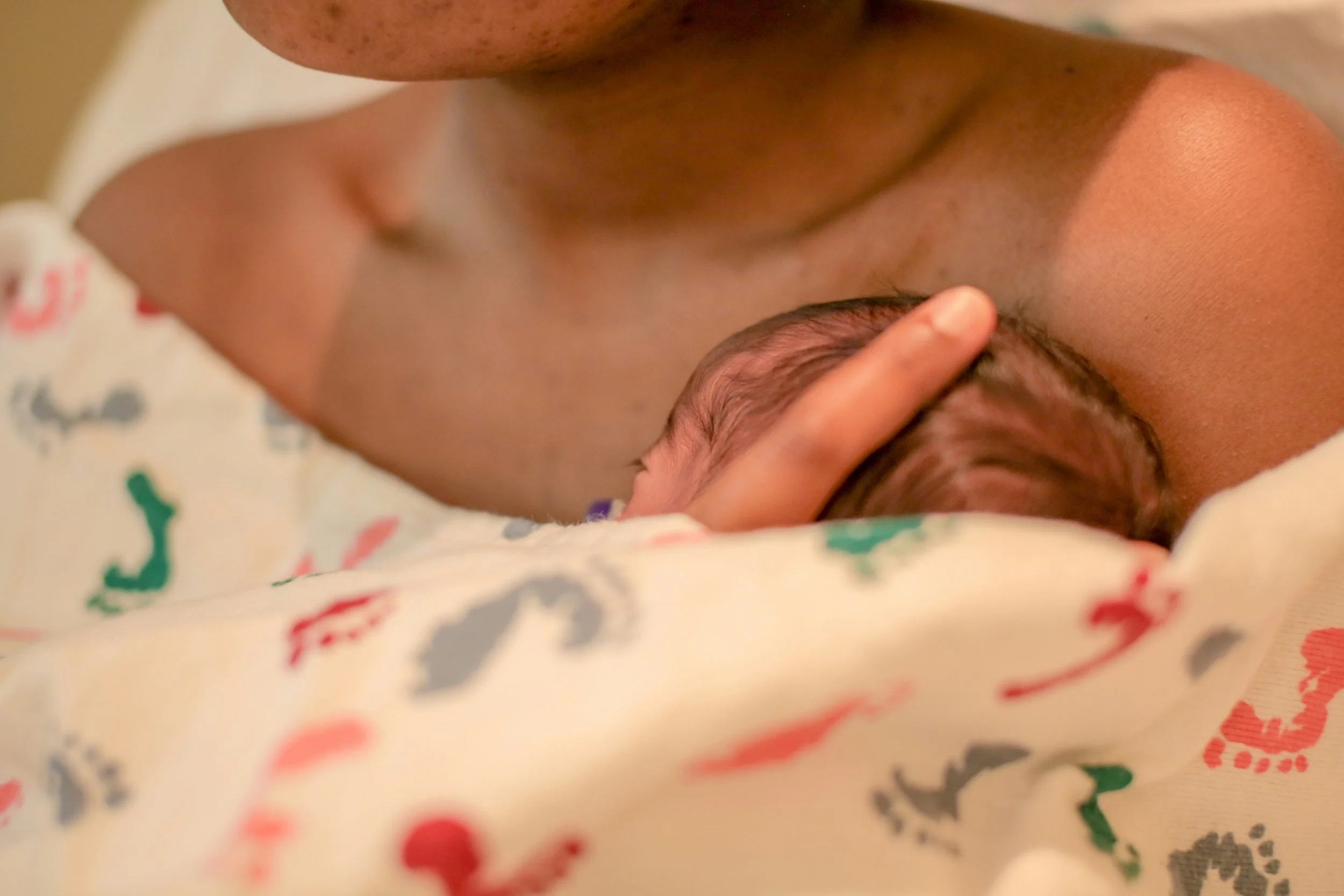
The weeks following childbirth are often a beautiful, chaotic blur. Your nest is filled with tiny babygrows, the scent of baby lotion and a revolving door of visitors. But amidst the rush to check on the baby, track nappies and book health visitor appointments, there is one vital person who often gets left out of the postpartum care equation: you.
Birth is a monumental physical event. It is a marathon, a heavy lifting session and a profound structural shift all rolled into one and it is experienced deeply by two bodies instead of just one.
Because a mother and her baby are so intricately connected in those early months, the physical wellbeing of one directly impacts the other. Here are three surprising ways that osteopathy bridges the gap, helping both mum and baby heal, align and thrive together.
1. The Feeding Connection: Resolving Baby’s Tension to Save Mum’s Neck and Shoulders
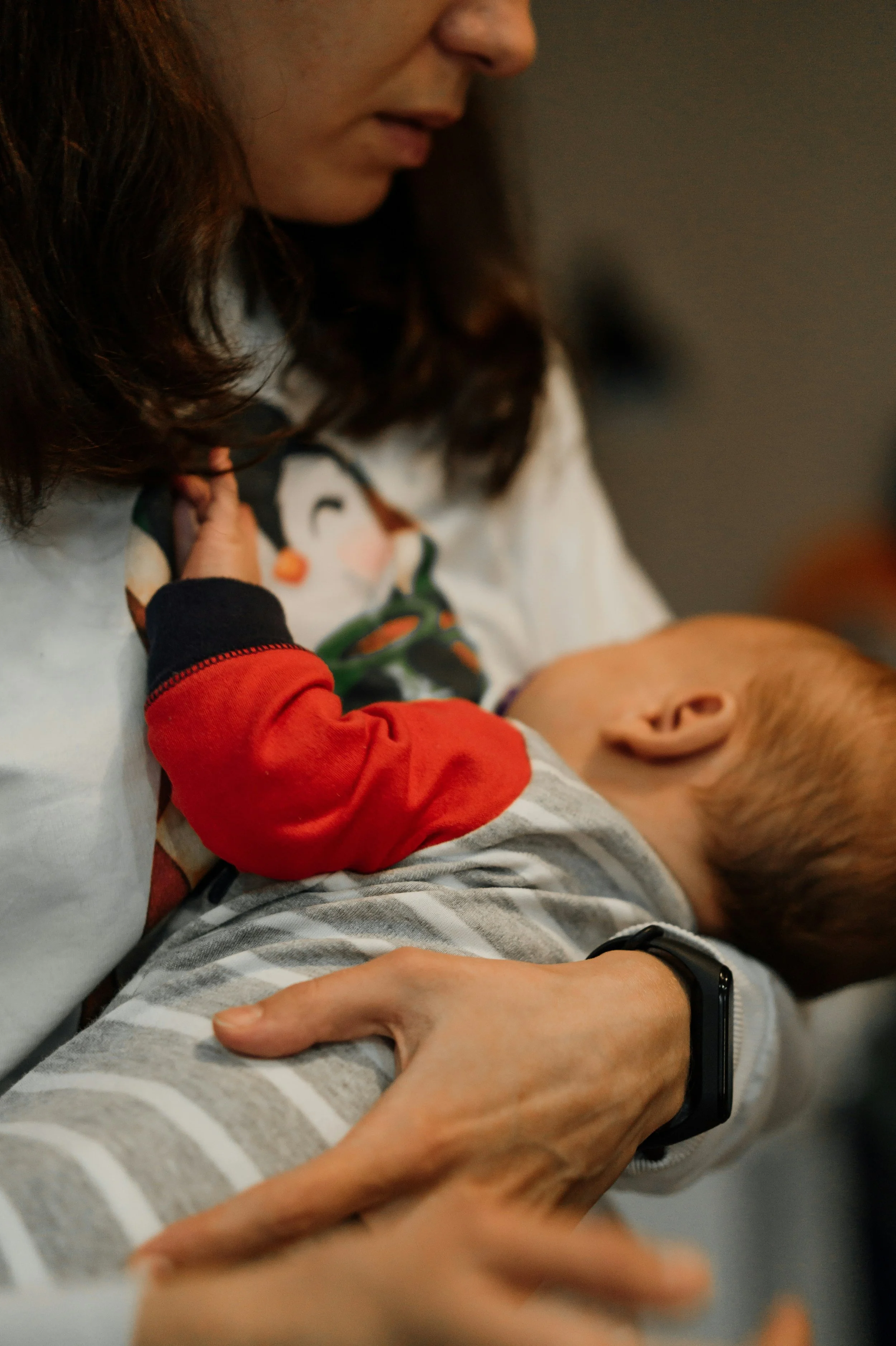
If you’ve experienced a painful breastfeeding latch or a baby who struggles to feed comfortably on one side, you know how stressful it can be. What many parents don’t realize is that feeding difficulties are often rooted in physical tension from the birth itself.
Whether a baby experienced a long labour, a rapid delivery or an instrumental birth like forceps or ventouse, their tiny neck, jaw and cranial bones can hold onto significant compression. This can make it uncomfortable for them to open their mouth wide or turn their head fully in both directions.
For Baby: Gentle paediatric osteopathy works to release these deep seated tensions in the jaw and upper neck, making it easier and more comfortable for them to latch and swallow.
For Mum: When a baby latches poorly or favours one side, mum naturally compensates. You might find yourself hunching over, hiking your shoulder up to your ear or twisting your spine just to keep your baby feeding. Over days and weeks, this creates intense tension in your upper back, shoulders and neck. By treating your baby’s restrictions, we break this cycle to allow you to feed in a relaxed, pain free posture.
2. Navigating the "Relaxin Residue" and Postpartum Biomechanics
During pregnancy, your body produces a hormone called relaxin, which softens your ligaments to allow your pelvis to stretch and open for birth. But relaxin doesn’t instantly vanish the moment your baby arrives; it can linger in your system for several months, and even longer if you are breastfeeding.
While your ligaments are still soft and adaptable, your daily physical demands suddenly skyrocket. You are constantly:
Lifting a growing baby out of a low cot or Moses basket.
Hefting heavy, awkward travel systems and car seats.
Rocking and swaying for hours at a time.
Because your joints lack their usual structural support right now, it is incredibly easy for your pelvis, lower back and hips to shift out of alignment. Postpartum osteopathy for mums focuses on gently rebalancing the pelvis and spine to ensure your muscles aren't overworking to compensate for loose ligaments. It gives your body the structural stability it needs to keep up with the physical demands of motherhood.
3. Releasing Womb and Birth Compression
We often think of babies as completely pliable, but they can experience their own version of structural strain. Spending the final weeks of pregnancy cramped in a specific position like breech or deeply engaged in the pelvis, followed by the intense pressure of the birth canal, can leave a baby feeling physically tight.
This structural compression is a frequent, overlooked culprit behind common infant discomforts:
Digestive strain: Tension around the base of the skull can irritate the vagus nerve, which influences digestion and potentially contributes to reflux or colic like symptoms.
Asymmetry: A baby who always sleeps with their head turned to one side can develop a flat spot or struggle with tummy time because their neck muscles feel strained.
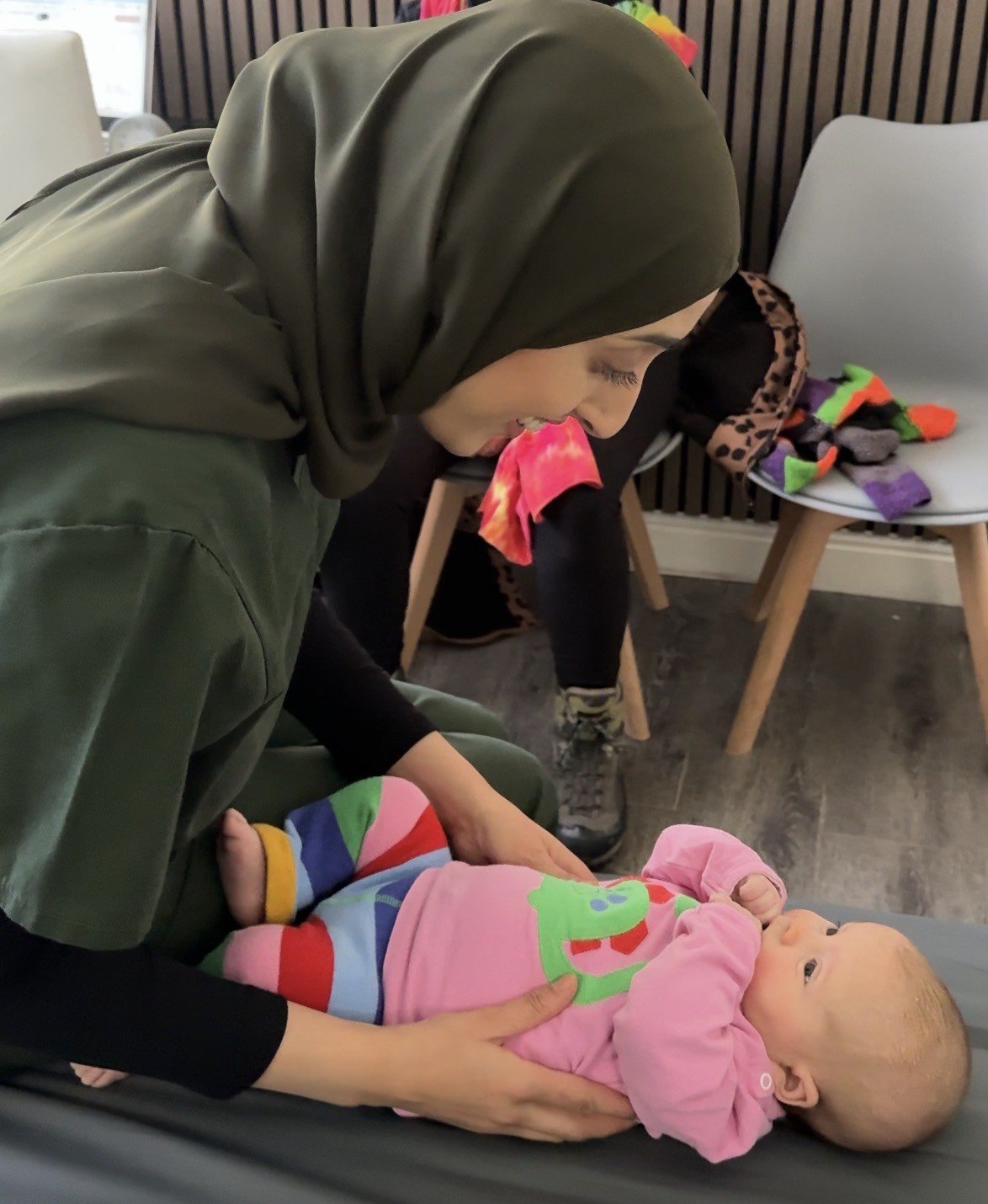
Using exceptionally gentle, hands on cranial techniques, an Osteopath can help soothe your baby's nervous system and ease that physical tension. When a baby is structurally comfortable, they sleep better, digest more easily and settle into the world with greater ease.
Healing Together: The Mother-Baby Unit
You and your baby went through the journey of birth together, and your healing journeys are deeply intertwined. When a mother is pain free and physically supported, she has more energy and ease to care for her little one. And when a baby is comfortable in their own body, the entire household breathes a sigh of relief.
Taking care of yourself isn't separate from taking care of your baby; it is a vital part of it.
Is it time for a postpartum check-in?
Whether you are dealing with a fussy feeder, a sore lower back or you simply want to ensure both you and your baby are aligning beautifully after birth, we are here to support you.